
What Made India’s AI Robots the Center of Attention at the Summit?
The Robotics and AI Summit 2026 featured India leading the way with innovative products. The event opened with factories in India producing functioning robots along with other made-in-India functioning devices that utilize AI technology. Attendees were present to witness not only innovations from developers and researchers, but actual applications from established developers that were ready to be implemented within industries today.
In addition, this summit moved away from theoretical-only discussions about robotics in the industry to robotic systems capable of being deployed into industries immediately. Examples of the way that attendees observed such systems are as follows: robotic systems that assist with hazardous inspections of industries; humanoid robotic systems that can have a “natural” interaction with humans; and how AI-enabled stations (e.g., clothing stations etc.) are transforming retail, fashion, and agriculture.
Through the Robotics and AI Summit 2026, an opportunity existed for businesses, organizations, universities, and researchers to display how they could lead the development of practical AI robotics in multiple industries. This sends a clear message that India not only wants to participate in the robotics revolution but also to help lead it.
How Are PARAM and SVAN-M2 Changing Quadruped Robotics in India?
1. PARAM
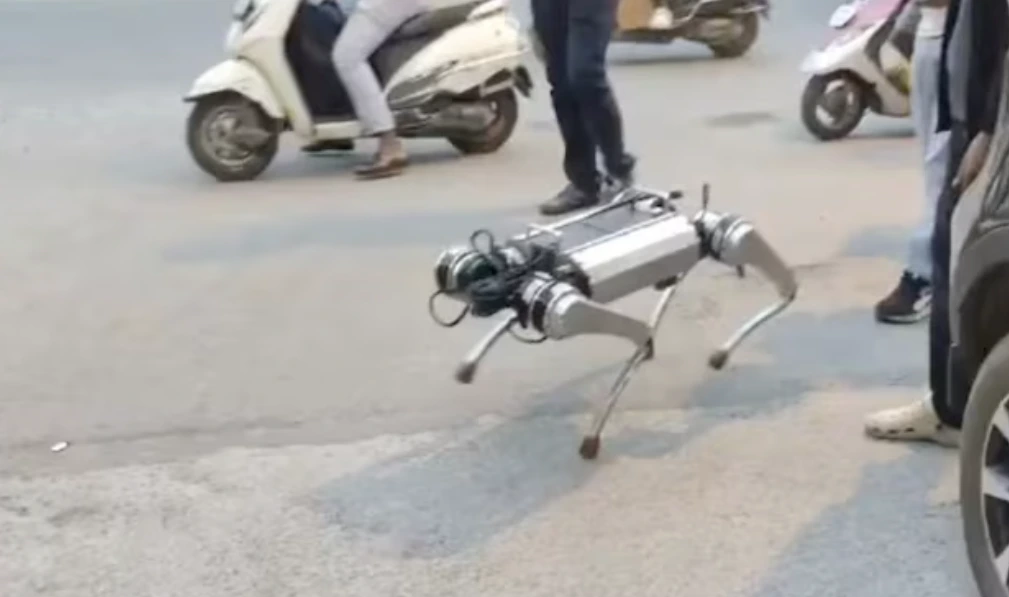
PARAM is a four-legged robot engineered in India with a sophisticated ability to traverse complex and unpredictable environments. In addition to autonomous locomotion, PARAM detects obstacles and adapts to uneven ground in real-time. This allows PARAM to provide precision, reliability, and overall stability when operating in many industrial environments.
Key Features of PARAM:
- Autonomous walking and intelligent navigation
- Real-time obstacle detection
- Ability to dynamically adapt to the terrain
Possible Applications for this solution include:
- Industrial inspections
- Security patrols
- Educational demonstration
Pricing: Estimated cost between $20,000 and $30,000 (depending on configuration).
2. SVAN-M2
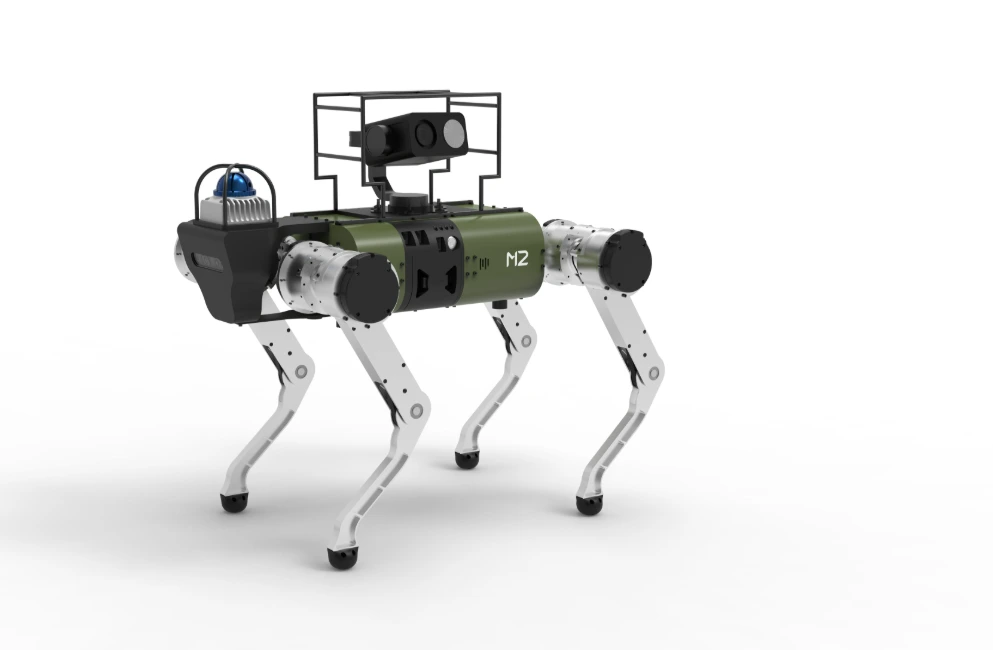
SVAN-M2 is an innovative robot developed by the team at xTerra Robotics based out of Kanpur to work in very unsafe industrial environments. Unlike standard four-legged robots that are typically designed only for locomotion, SVAN-M2 has many advanced features, including LiDAR, thermal imaging, and sophisticated hazard detection capabilities. As a result, this technology allows SVAN-M2 to inspect and survey warehouses, factories and other industrial locations without putting a human worker in harm’s way. Using our solution allows companies to increase both safety and productivity at the same time.
Key Benefits of SVAN-M2:
- Firstly, 3D mapping for highly accurate visual representation of the environment.
- Advanced thermal sensing for detecting temperature anomalies.
- Integrated hazard detection for early identification of potential risks.
- Ultimately, with fully autonomous navigation for total independence.
Possible Applications for this solution include:
- Industrial inspections.
- High-risk operational sites.
- Security monitoring.
Pricing: Industrial-grade configurations cost $35,000+ on average, depending on the amount of customization and enterprise needs.
What Humanoid Robots Are Showcasing Human-Like Intelligence?
Many humanoid robots have been introduced that have adaptive intelligence and are capable of interacting in a human-like way.
1. Yug Bot
The students who created the Yug Bot designed it to assist in traffic and crowd management through use of gesture recognition. It features a lightweight 3D-printed design that was made to allow for programmed execution of tasks.
The Yug Bot features:
- Gesture recognition
- Additionally, a lightweight modular structure
- Programmable task execution
The Yug Bot can be used for:
- Traffic monitoring
- With crowd management
- Educational robotics.
Pricing: Yug Bot, based on prototypes, is $5,000-$8,000.
2. CyRo Robot
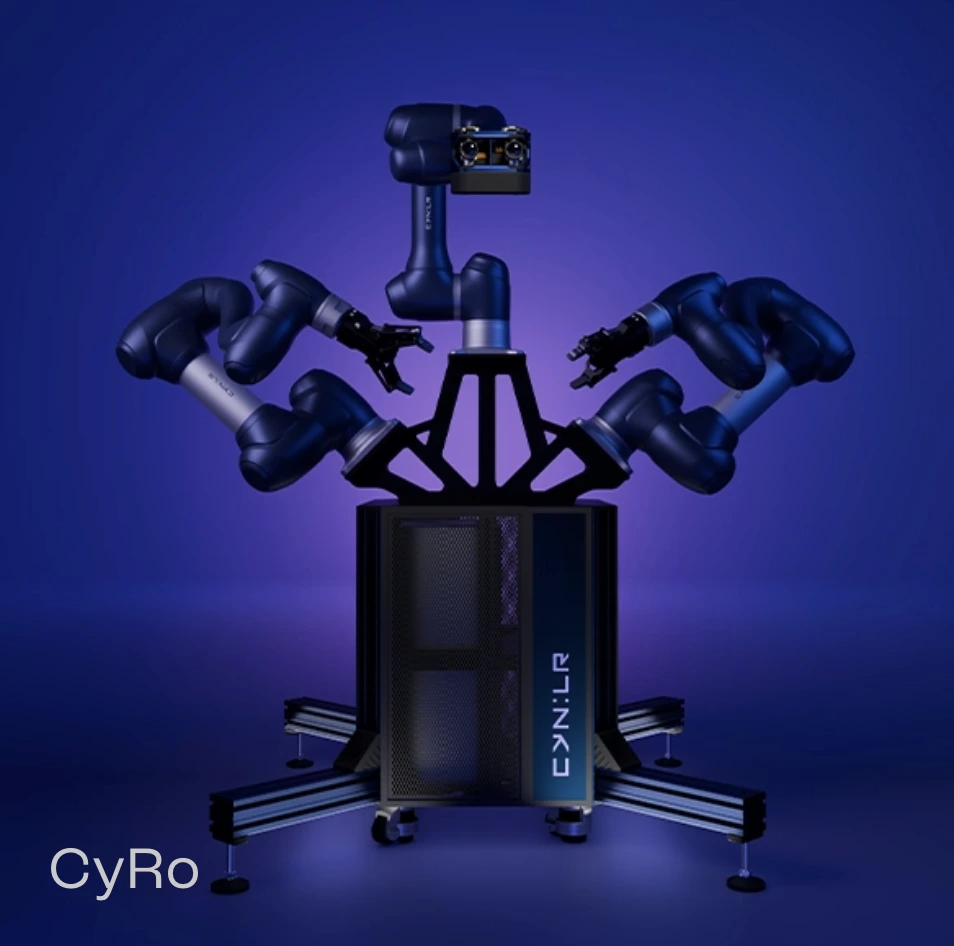
CyRo robot from CynLr is designed to manipulate objects with human-like adaptability and can recognise an object, and can continuously modify how it grips an object so that work can be completed collaboratively and safely with people working in the same work area.
Features:
- Object recognition
- Adaptive manipulation
- Safe collaboration with humans.
Applications:
- Warehouse assistance
- Collaborative robotics labs.
Pricing: CyRo at the enterprise level is $25,000+.
3. Humanoid Robot
The entertainment industry has seen humanoid robots that move in sync and are controlled by a computer operating system, such as AI. The humanoid robots can perform well, coordinating together and responding to the world around them.
The humanoid robots can be used for:
- Entertainment
- Also for educational purposes
- Demonstrating things in a marketing environment.
Pricing: Mainly, humanoid robots for the entertainment, educational and marketing fields is about $10,000 per robot.
These are examples of a humanoid robot assisting a person or people in a public space, interacting naturally with the environment, while avoiding obstacles. These advancements in robotics show how robotics has transitioned from mechanical automation to intelligent collaboration.
Which Robots Are Revolutionizing Industrial and Warehouse Operations?
The 2017 conference featured a strong emphasis on industrial automation.
1. UN-WFP Autonomous Warehouse Inspection Robot
The UN-WFP created a new robotic tool to autonomously manage and monitor environmental conditions in its storage facilities. This robotic tool can assess all types of environmental factors that affect the climate of their facilities in real time, including temperature, gas leaks, and air flow.
Features:
- Environmental Data Monitoring
- Real-Time Warning Capabilities
- An Autonomous Capability to Move Around the Warehouse Environment.
- The Robot will be used in warehouses, logistics hubs, and by industry for safety purposes.
Pricing: $33,000 – $40,000.
2. Unitree Go2 Quadruped Robot
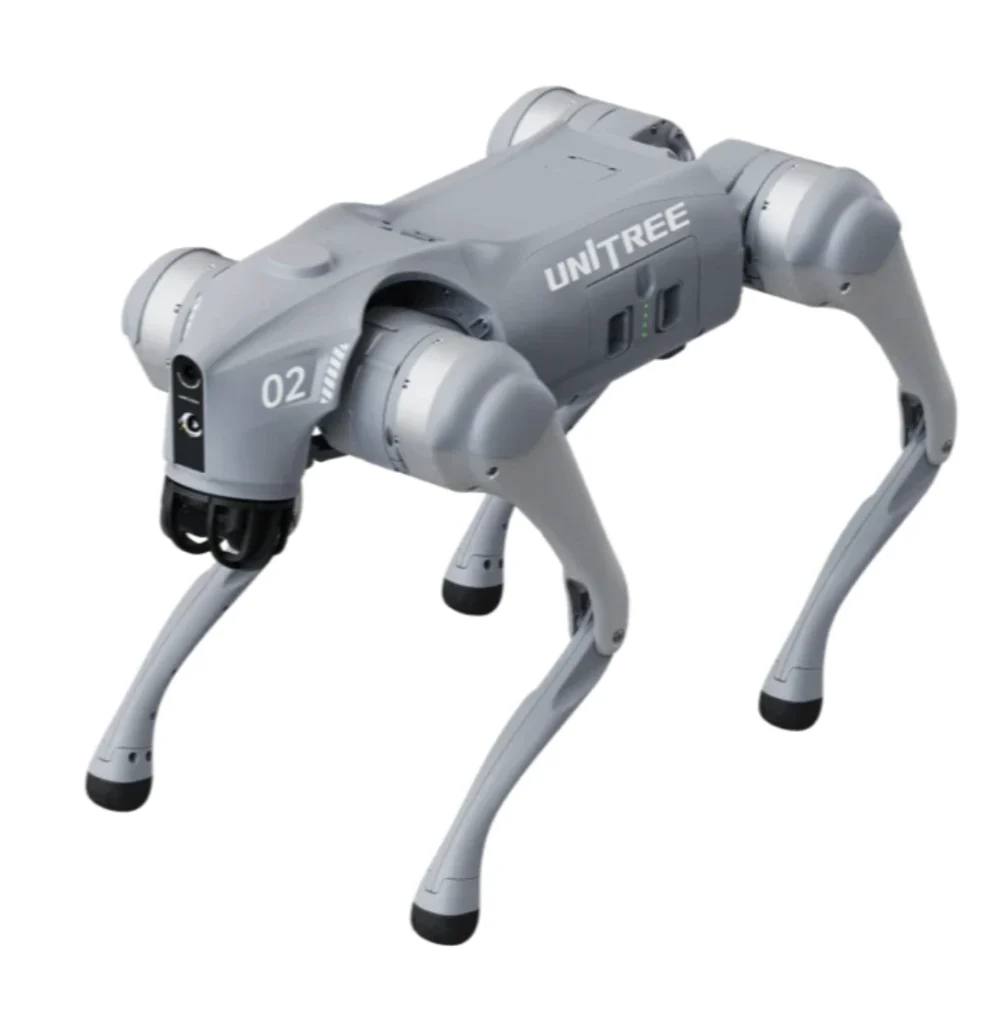
The Unitree Go2 Robot Dog is a commercially available foreign quadruped that offers high-speed agility and accessible pathfinding capabilities.
Features:
- Agile mobility
- Obstacle avoidance
- Remote operation.
- Was developed for use in security patrols, for research, and in demonstrations.
Estimated cost: $12,000 – $15,000.
Both of these robots will help reduce workplace accidents, increase the accuracy of inspections, and improve overall working efficiency within industrial environments.
How Are AI-Powered Stations Bringing Robotics to Everyday Life?
Robotic stations powered by AI have demonstrated how technology will positively impact day to day consumer experiences in addition to providing robotics with physical robots.
1. AI Skincare Analysis Station
The AI Skincare Analysis Station is a smart kiosk that leverages cutting-edge computer vision to scan faces in real time to determine acne, pigmentation, hydration levels, and early signs of aging on people’s faces. As a result, the kiosk provides customers with immediate, customized recommendations on products based on their skin challenges and needs, thus improving the decision-making and efficiency of consultation for consumers.
Features:
- To scan the face for assessment in real-time.
- The ability to detect acne, pigmentation, and wrinkles.
- The ability to assess the level of hydration in a face.
- AI-assisted customization via recommendations for skin care.
- The ability to integrate with smartphones to provide customers with electronic copies of their Skin Analytic Reports.
Pricing: $3,000 and $6,000.
2. AI Sari and Fashion Design Robot
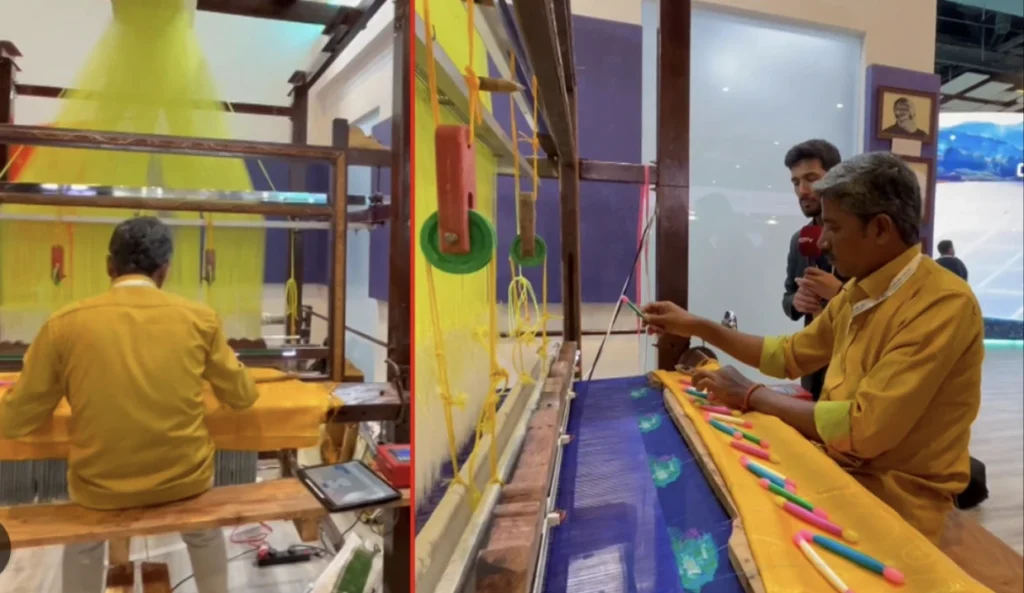
The AI Sari and Fashion Design Robot seamlessly integrates robotics and artificial intelligence to enhance traditional textile production. By combining an automated loom with intelligent design algorithms, it enables designers to efficiently merge cultural heritage with modern-day fashion trends. As a result, production becomes not only faster but also more accurate and highly customizable. Consequently, manufacturers can scale operations while preserving artistic authenticity.
Features:
- AI-generated design patterns for original and innovative patterns
- For the automation of weaving using robotics for higher speed and more consistent results
- A custom-developed digital interface for more control over the design process
- High-precision production resulting in higher quality output
- Scalable systems allow for adaptation to changes in production volume.
Pricing: Ranges between $15,000 and $25,000 depending on several factors, including the size of the production facility or system, level of technology used, and amount of production expected.
3. Smart Farming Robot Platform
Combining Agriculture with Technology (AI), the Smart Farming Robot Platform connects Sensors to Automated Irrigation Systems and allows Farmers to monitor and improve the Health of Crops Utilizing Predictive Analysis to Estimate Yields and Minimize Fertilizer Waste.
Features:
- Moisture / Health Sensors for Soil & Crop
- Also with automated Irrigation Control
- AI-Predictive Yield Forecasting
- Fertilizer Optimization Algorithms
- Remote Dashboard for monitoring/alerts
Pricing: $10,000 – $20,000, depending on Sensors/Area of Coverage, and Sensor Integration and Area of Coverage.
4. Virtual Clothing Try-On Station
Ultimately, leveraging virtual try-on (such as AI-powered kiosks and mirrors) will empower consumers to see themselves wearing clothes in real time while receiving personalized clothing recommendations based on their size and style.
Features:
- Initially, a virtual fitting simulation will permit customers to see how they look in clothes immediately.
- Also, providing personalized style options influenced by customer preferences and current styles are examples of how AI (Artificial Intelligence) can greatly assist retailers in providing the best shopping experience for their customers.
- Accurate body size estimations allow for customer clothing to fit properly.
- The incorporation of photo capture and sharing capabilities allows for increased interaction with potential customers.
- Synchronizing inventory in real-time with retailers will help to ensure that items are in stock and reduce purchase barriers for the customer.
Pricing: The Kiosk price can range from $5,000 to $12,000 depending on the type of display solution, the technical specifications of the hardware, and the software features.
Why Are These Robots and AI Innovations Important for India?
To begin with, India firmly positioned itself at the forefront of technological advancement at the Robotics and AI Summit 2026. From the outset, the event not only attracted national innovators but also drew significant international attention. In fact, startups, universities, and established tech leaders collectively showcased fully functional, Made-in-India robots and AI-powered systems designed for real-world deployment.
Moreover, rather than limiting discussions to theory, the summit actively demonstrated operational robotics solutions across multiple industries. As a result, the summit moved beyond being a simple exhibition and instead became a statement of capability. Consequently, it highlighted India’s accelerating progress in AI-driven robotics innovation.
For a comprehensive overview of the India AI Impact Summit 2026, including keynote insights and major sector highlights, read our detailed summit recap here.
