
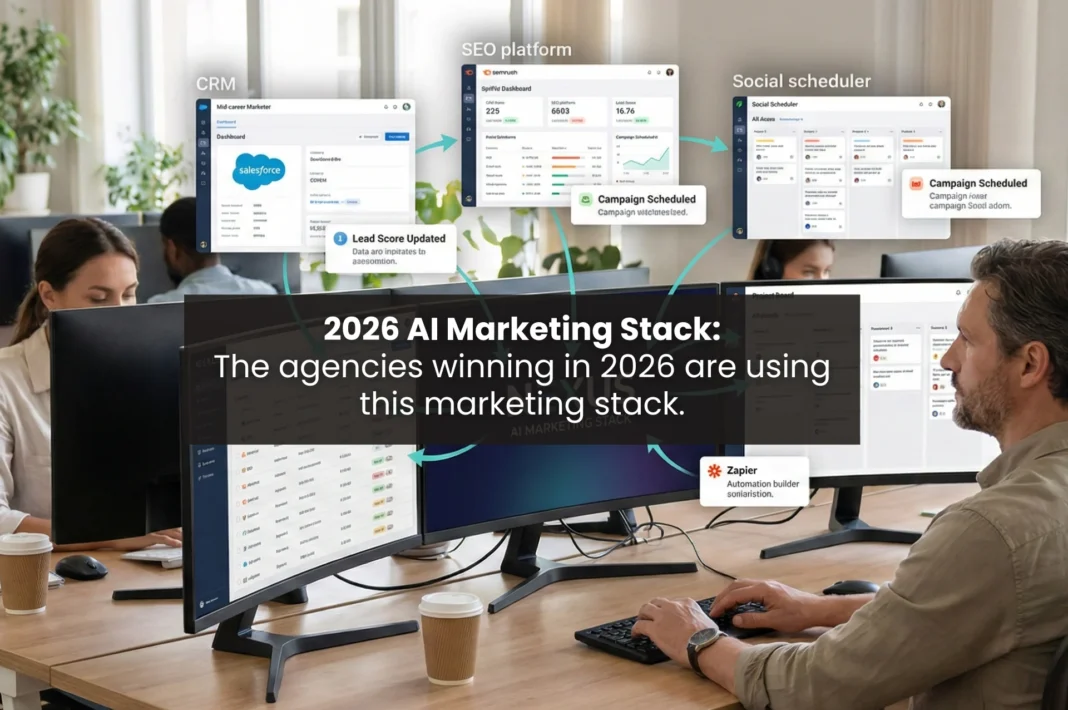
If you are working in marketing right now, be honest: does your slack channel look like ‘Which AI marketing stack is the best right now?’ twice a year? If your answer is ‘yes’, then you are at the right spot.
But first, let’s acknowledge the loop that marketers and marketing agencies get stuck in twice a year. It goes like-:
- A new AI tool drops making waves
- Twitter says it’ll ‘change everything’
- LinkedIn fills up with screenshots and ‘AI is taking jobs’
- Someone calls it the end of agencies and rise of ‘solo preneurship’
But it’s 2026, and the experimentation of AI tools phase is over now. Why? Because agencies are tired of strapping random AI tools together, just to save 10 minutes. But in reality losing hours trying to figure out how to actually work with the tool.
In 2026, the agencies have started settling into something that’s not very exciting, but way more effective and practical. And that is adopting an AI marketing stack.
It simply means- fewer tools, deeper usage and systems that actually talk to each other rather than breaking up mid campaign. Large enterprises are already restructuring their marketing around AI workflows. A recent breakdown of Coca-Cola’s AI marketing strategy shows how enterprise brands are embedding AI deeper into campaign execution and creative production.
If you are still thinking this is just another AI tools list, well, it is not. What you’re about to read is the marketing stack that the in-house teams and agencies are actually using on a daily basis for those messy workflows, campaigns and actual budgets on the line.
Let’s dive straight into it, but first,
What Does an AI Marketing Stack Look Like in 2026 ?
The teams that are actually moving forward in 2026 are the ones that are relying on a smaller stack, instead of the one that has 20 tools, 20 dashboards and multiple automations in it.
“But what is an AI marketing stack?”
An AI marketing stack is a compilation of AI tools that actually help the marketers with their-
- AI-powered CRM + automation needs
- SEO needs
- Collaborative project systems needs,
- Social media automation needs, and
- Workflow integrations & communication layer needs.
To put it simply, pretend that the above mentioned individual need is a single lego block. Every lego block does one thing extremely well. With the help of AI, they connect with each other effectively and accelerate the workflow in your desired output.
So stop chasing every new AI launch. Focus on the actual struggle points that your team is facing and integrate an AI tool that works well, instead of fixing how the systems will interact with each other.
Here are the 5 categories (and the tools inside them) that marketers continue to use, for years now.
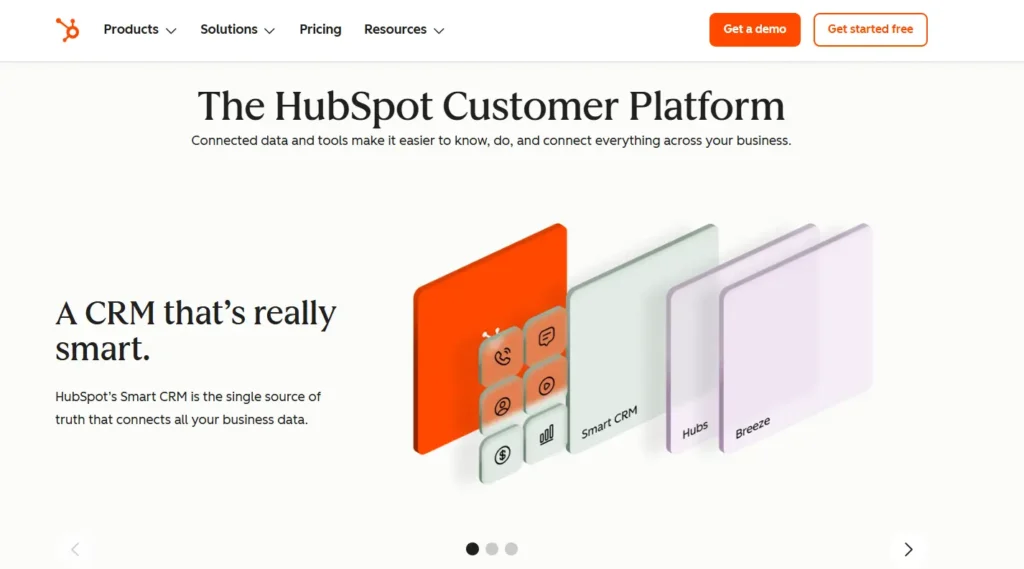
1. For CRM & Automation – HubSpot
Hubspot is still dominating the CRM and automation ecosystem in 2026. It’s not surprising, considering how efficient this tool is. The way marketers have integrated Hubspot into their workflows and getting satisfying outputs while saving on time is what keeps the tool at the top for CRM. From lead generation with the help of AI to AI generated campaign summaries, HubSpot is the one tool that is recommended to all the marketers – solo, or working in agencies.
- For AI lead generation and scoring – The sales teams are not playing the guessing game anymore. HubSpot surfaces the leads that are most likely to convert based on their behavior and engagement patterns.
- The email journeys that adjust on their own – The workflows here silently adapt the user behaviour. This helps the marketers by not building campaigns every week and saving time and energy.
- The dynamic content personalization – The landing pages and emails keep shifting the messaging depending on who’s visiting. This severely cuts down the manual sub-division work.
- Campaign reporting summaries – Instead of digging through dashboards, teams get way quicker performance breakdowns.(that they can actually send to their clients or leadership.)
- For Sales and marketing – These teams can finally work from the same data. There’s one dashboard and shared visibility, reducing the time and confusion.
Pricing:
Free CRM – $0/month
Starter Plans – from ~ $14 – $18 per user/month
Professional Tier – roughly $815 per month (depending on hub)
Enterprise Tier – starting around $3,200+/month per hub
2. For SEO & Analytics – SEMrush + Ahrefs
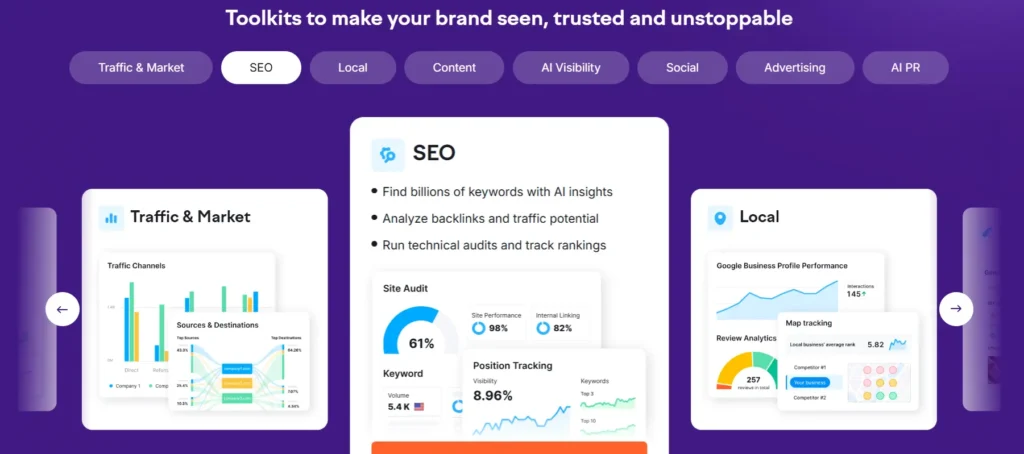
If you have been using either of the above mentioned tools, you will know that both SEMrush and Ahrefs have transitioned from keyword tool research to AI research engines. That is the reason both of these tools are still considered the key SEO intelligence layer in 2026.
As we are advancing, SEO is becoming more complicated, because the traffic now comes from AI generated answers, Google results and prompt style conversational search experiences. In simple language, marketers are now spending more time understanding the intent and competition, instead of guessing keywords, like in the old days.
- Keyword clustering (powered by AI insights) – Now, instead of targeting single keywords, teams build topic groups. These are also known as clusters that support long term rankings.
- Competitor content gap analysis – The tools quickly spot those topics that the competitors rank for, but you don’t yet. This remains one of the fastest growth plays.
- SERP volatility monitoring – This is very helpful in 2026 because AI search layouts keep changing frequently and rankings fluctuate way faster now than they used to.
- Search intent analysis – This means understanding whether the users want information, comparison or purchase content (before creating pages.)
Pricing:
Both the tools follow subscription based pricing models –
SEMrush
- Plans start around $140/month (Pro plan)
- Mid-tier Guru plan ~$250/month
- Business plans exceed $500/month (depending on reporting and data limits)
Ahrefs
- Plans usually begin near $129/month
- Standard plans around $249/month
- Advanced tiers reach $449+/month (depending on usage and data access
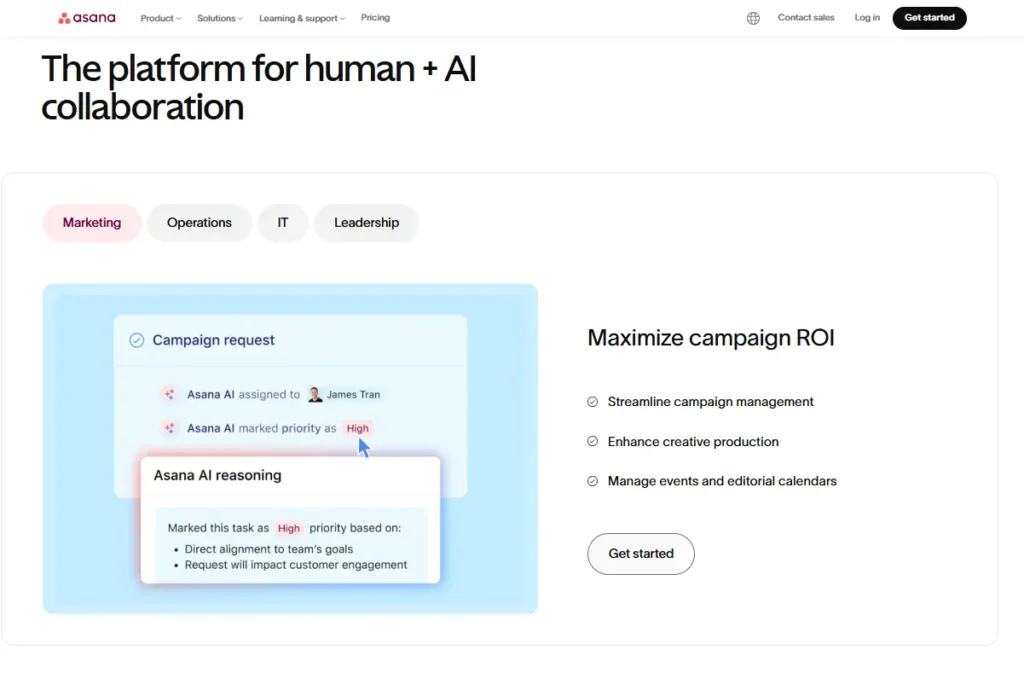
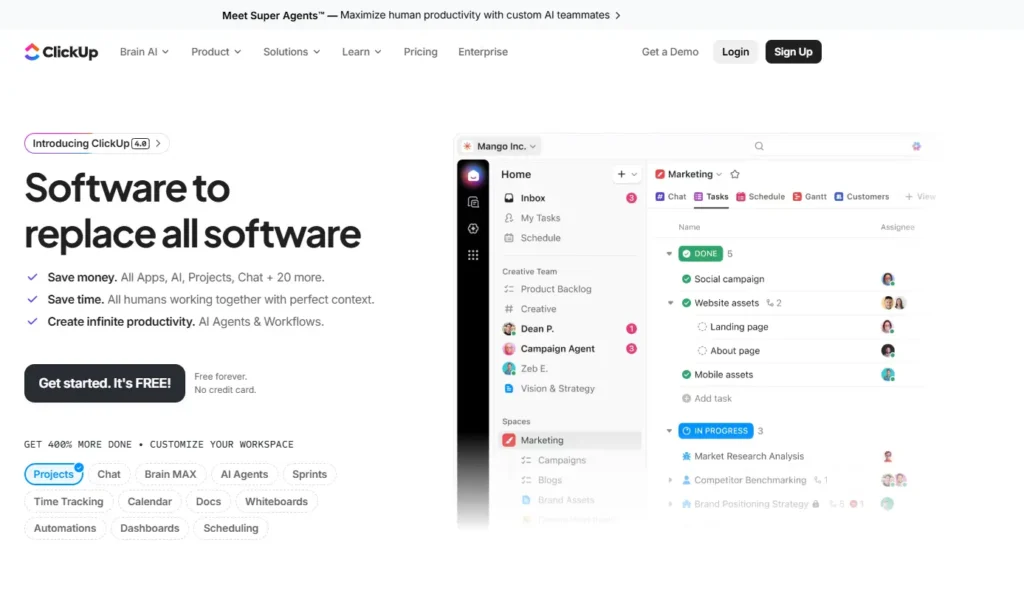
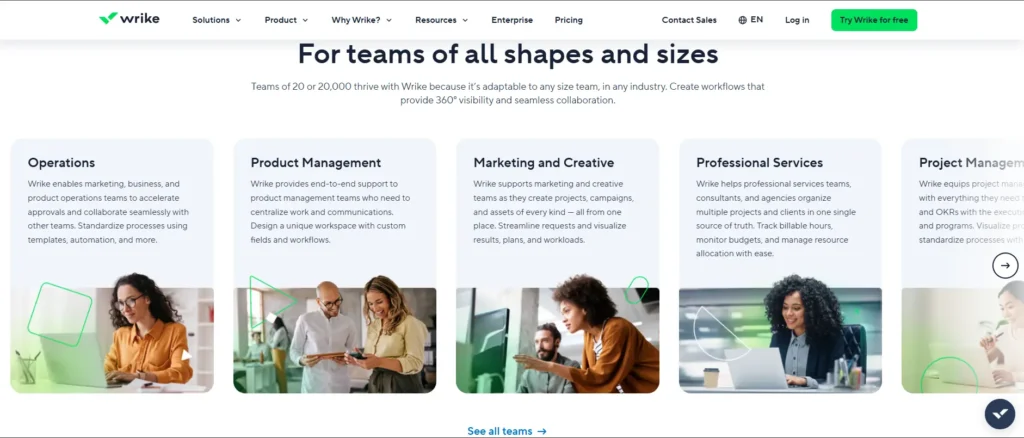
3. For Project Management – Asana, ClickUp or Wrike
As a marketer, Asana, ClickUp or Wrike can be your superheroes, but ones that are invisible. Why? Because these tools will literally act as a project management layer that is holding the campaigns together.
Without the project management tools, marketing teams will literally collapse within a week. These tools save so much time, energy and mental space for managing your other tasks, by automating the redundant tasks. Agencies especially rely on these tools because campaigns now involve paid media, SEO teams, content creators, automation managers and AI specialists.
While Asana is a winner with the enterprise teams and Clickup dominates the startups and agencies ecosystem, Wrike is mostly used by larger corporate environments.
- AI generated tasks from meetings and briefs – These tools help in turning notes into tasks that can be assigned, immediately. This saves hours of manual planning and ideating.
- Dynamic timelines that adjust themselves – Deadlines keep shifting, so the schedules just keep updating themselves without rebuilding the entire project boards and manually handling it.
- Workload balancing insights – The managers have insights into who’s getting overloaded, before it starts affecting the campaign.
- Campaign risk alerts – Flagging of delays or dependency issues early on in a campaign is an extremely useful characteristic of the tools and also for multi channel launches.
- Automated status and reporting updates – The summaries are auto generated for the stakeholders without the teams getting manually involved in the process, saving time and energy.
Pricing:
Asana
- Basic plan – Free for small teams
- Starter – around $13–$15 per user/month
- Advanced tiers – $30+/user/month (with automation and reporting features)
ClickUp
- Free plan available
- Unlimited plan – about $7–$10 per user/month
- Business plans – $19+/user/month (with advanced automation and dashboards)
Wrike
- Free plan for basic task management
- Team plans start near $10 per user/month
- Business and enterprise tiers range $25–$40+/user/month (depending on workflow automation and analytics)
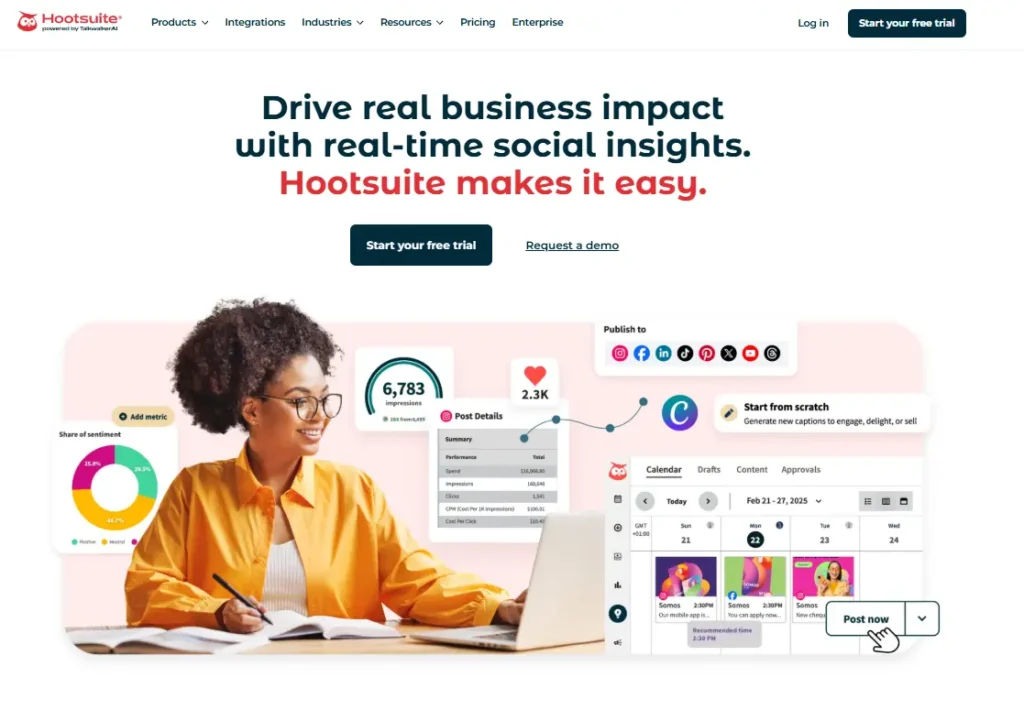
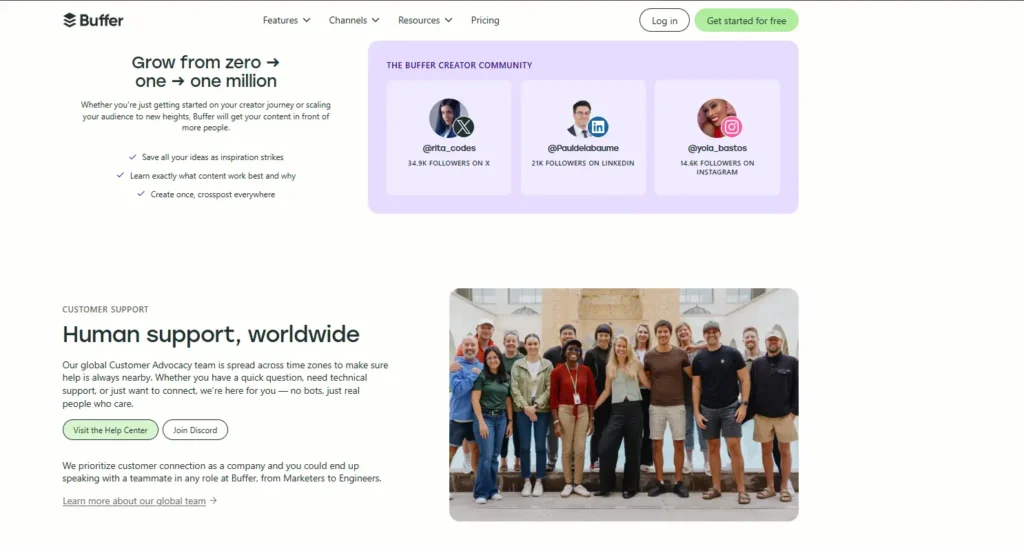
4. For Social Media Management – Hootsuite & Buffer
Remember when social media posting meant spreadsheets, multiple reminders and alarms, and someone running around to publish the content before 1PM? That doesn’t really work anymore, and if your social media scheduling still looks like this, then you are definitely in the right place.
Tools like Hootsuite and Buffer became popular because they took all of the above mentioned problems and brought the solution into one place. Now, social media management has become much faster and efficient, with scheduling and also managing the consistency of posting at a large scale.
- AI assisted caption suggestions – This is a game changer. The platforms analyze past engagement to suggest variations that marketers can then refine, instead of writing from scratch every time.
- Best time posting predictions – Certain windows are suggested for posting to help the algorithm make your content reach as widely as possible. Scheduling tools now recommend publishing windows that’s based on audience behavior and also, past performance data.
- Automated performance summaries – Weekly or monthly reports get generated automatically, saving social media managers hours of manual reporting and energy.
- Multi platform analytics dashboards – Tracking Instagram, LinkedIn, X, Facebook and other channels from one place reduces constant platform switching, which is honestly extremely exhausting.
- Social listening with sentiment tracking – Teams can monitor the brand mentions and audience reactions without manually scanning hundreds of feeds.
Pricing:
Hootsuite
- Professional plan starts around $99/month (single user, limited accounts)
- Team plans typically $250–$750/month depending on users and profiles
- Enterprise pricing varies based on organization size and integrations
Buffer
- Free plan available for basic scheduling
- Essentials plan starts around $6/month per channel
- Team and agency usage scales based on connected accounts and collaboration features
5. For Communication & Automation: Slack + Zapier
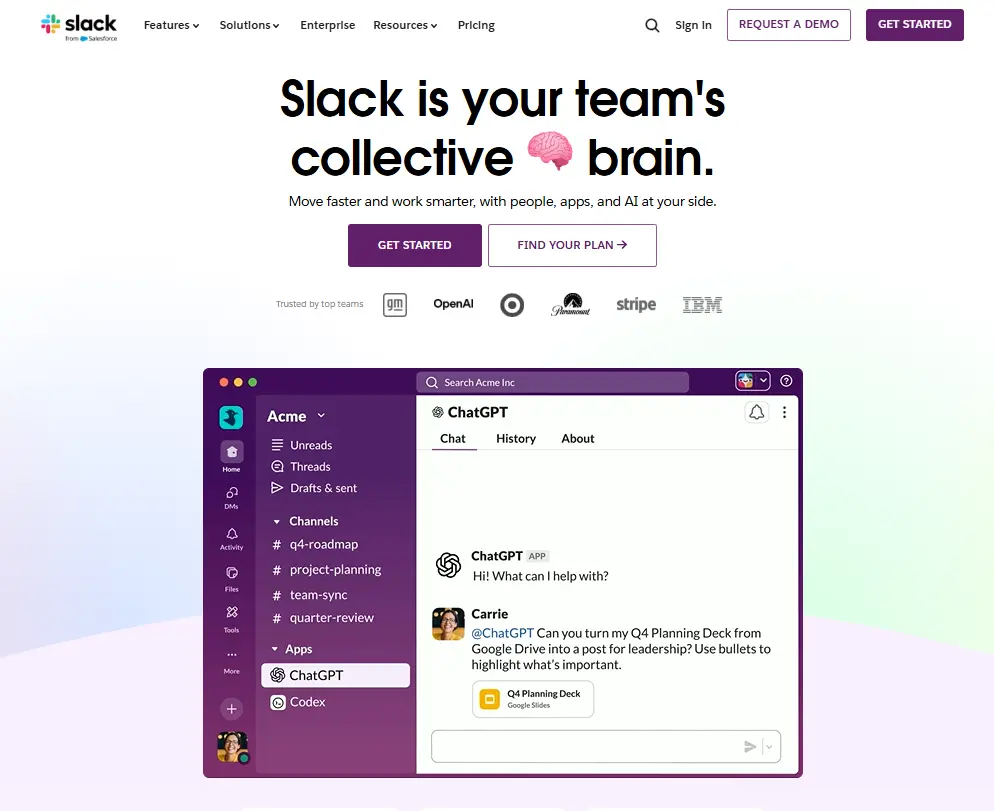
While these tools have been mentioned at the end of the list, it’s still the most important one out of all of the above. Slack and Zapier are considered to be the automation layers that connects the entire AI marketing stack together,
With the integration of these tools, updates show up where the teams are already having a conversation instead of the marketers jumping between CRM dashboards and analytics tools,
Here’s what that looks like:
- A new lead comes in and the sales channel gets notified instantly
- Closed deals automatically kick off onboarding tasks without someone assigning them manually
- Approved content moves straight into scheduling queues
- Performance alerts appear in Slack before anyone opens an analytics dashboard
Pricing:
- Slack: free tier available; paid plans typically start around $7–$9 per user/month, with higher tiers adding workflow automation and enterprise controls.
- Zapier: free plan for basic automations; paid plans begin near $20/month and scale based on automation volume and complexity.
If You’re Building an AI Marketing Stack in 2026, Start Here
2026 is the year that agencies and marketers are moving from ‘AI will replace us’ to ‘How can I use an AI tool to speed up my work without losing more time?’
If you are struggling, ask yourself – are you chasing every new AI launch instead of optimising your workflows?
The marketing agencies that are actually doing well in 2026, are majorly focusing on integration more than experimentation and automating workflows instead of manually trying to scale. They are also focusing on data flow structure rather than the isolated dashboards and AI assisted decisions, that doesn’t replace the marketers.
These teams are using familiar platforms and integrating AI into existing workflows, instead of rebuilding everything from scratch, and that is the non exciting and boring yet effective part of using the marketing stack.
The above tools have been used by the marketers since their inception, but with the integration of AI in these tools – their working power has increased giving you your time back so you can focus on more revenue building decisions.
If you are inspired for optimizing or building your own AI marketing stack, just pick a stable platform, figure out the repetitive tasks and automate them, and lastly, connect the systems together before adding new ones.
That alone puts you ahead of most marketers still chasing new AI tools, that they themself will forget about after a month. .
