
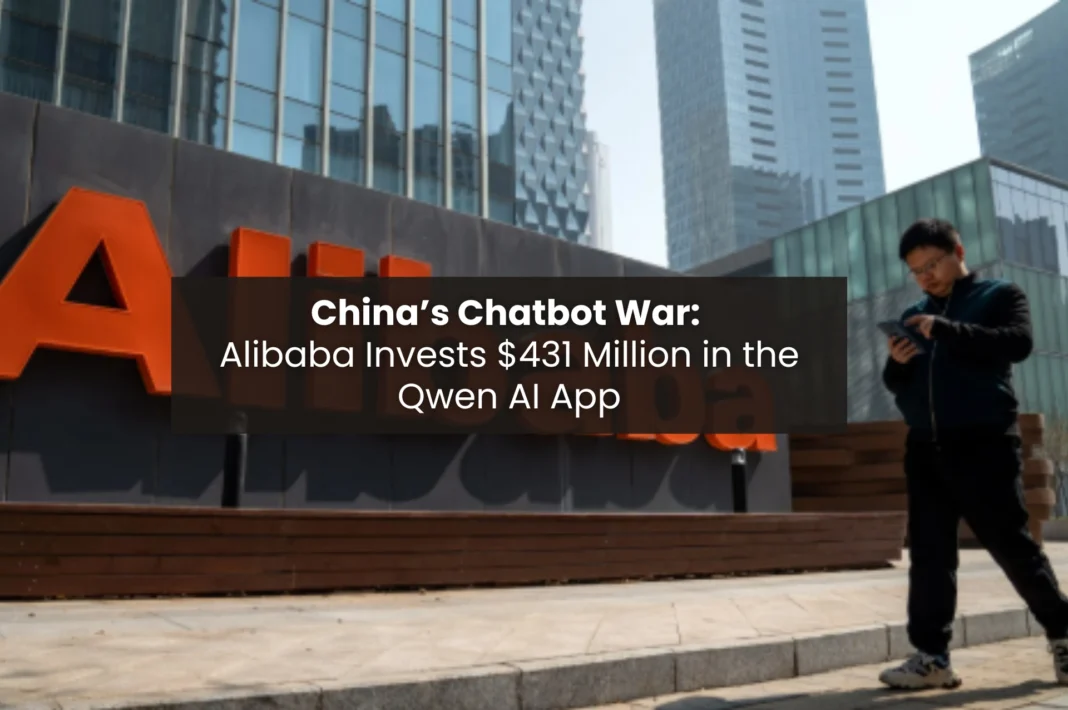
This year, during the Lunar New Year, Alibaba is aggressively pursuing their Qwen AI app. The company recently announced an investment of approximately 3 billion Yuan (roughly $431 million) to promote the app during the busiest holiday period in China. This indicates how competitive the chatbot market is in China. As several of the largest tech companies battle for user attention during this peak usage time.
($1 = 6.9519 yuan)
Alibaba’s marketing campaign will kick off on February 6. Which is a little over a week before the actual holiday period of February 15 to February 24. The company hopes to capitalize on the significant number of travelers, gather with family and friends, and increased use of mobile devices during this time. In order to acquire millions of additional users of the Qwen AI app.
This is one of the largest marketing initiatives to promote AI in China to date.
What is Alibaba trying to achieve with this Lunar New Year AI campaign?
On the occasion of the Lunar New Year, Alibaba believes that their Qwen AI app can provide them with the scale they desire. By communicating with users expectantly through promotions and incentives available in the app, Alibaba believes they can create habitual users for its application.
During this holiday season, countless individuals will utilize their mobile devices to plan travel, order food, find entertainment options, and buy gifts. Alibaba wants to intersect the moments they will spend money by creating a link between Qwen AI and their everyday spending habits.
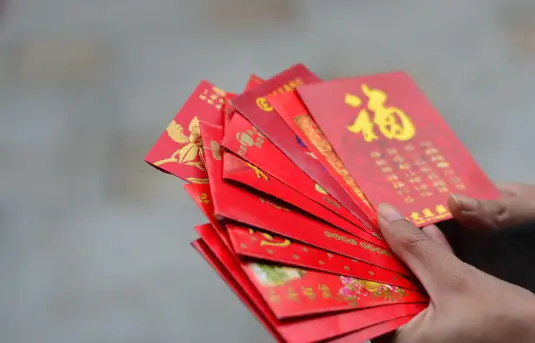
By offering incentives throughout all four categories of dining, drinks, entertainment, and leisure through digital red envelopes. Alibaba is using an already established concept that resonates well with Chinese users who have grown up with red envelopes. Moreover, Alibaba has established a pattern where they continue to offer red envelope promotions similar to what Tencent is doing right now. This was also done by Tencent during the 2015 Lunar New Year, through their use of WeChat Pay and promoting it via the red envelope, reported Reuters.
How does the Qwen AI app promotion work for users?
Alibaba intends to launch continuous large red envelope bonus rewards. Instead of receiving just a single bonus, users will receive these multiple times as they continue to use the application.
The goal of the incentives is to encourage users of the app to leverage Qwen AI for serious rather than casual uses.
Examples of tasks that the application is intended to assist with include:
- Report and summary writing
- Creating presentations and presentation slides
- Answering complicated query
- Planning for daily activities and improving productivity.
By connecting rewards to actual usage scenarios, Alibaba hopes to encourage people to view the Qwen AI app as a useful tool rather than inappropriate.
How does Alibaba’s spending compare to its rivals?
Alibaba’s investment stands out even in a crowded field.
Here is how the spending compares:
| Company | AI App | Reported Spend |
|---|---|---|
| Alibaba | Qwen AI app | 3 billion yuan |
| Tencent | Yuanbao | 1 billion yuan |
| Baidu | Ernie Bot | 500 million yuan |
Alibaba has a budget that is approximately three times the size of Tencent’s and six times that of Baidu’s. It’s clear that Alibaba has made a strong commitment to establishing early brand presence in the AI chatbot marketplace.
Instead of waiting to see how well they do with their competitor’s AI solutions, they are willing to invest heavily at this point to ensure they stay ahead of their competition.
Why is the chatbot war heating up right now?
China’s artificial intelligence race has quickened over the last 12 months due to the development of more advanced models and increasing expectations from consumers for them to perform at a higher level than they previously would.
Companies like DeepSeek have increased competition for legacy brands by introducing reasoning models like R1 that allow for longer conversations and more complex scenarios than existing models, requiring the existing players to react more quickly to retain their customer base. This dynamic is part of what experts have called an AI arms race in China’s tech world, with Alibaba openly engaging rivals as its Qwen ecosystem expands.
Alibaba has built its Qwen AI application with the intention of being a gateway for users to consume its broader ecosystem of cloud computing, ecommerce, and corporate productivity applications, more so than simply being a chat application.
The brands that win the hearts and minds of consumers will have the ability to make lasting impressions on their behaviour.
How is the Qwen AI app different from other chatbots?
Alibaba sees its Qwen AI as an assistant to complete tasks instead of just as a novelty chatbot. This app is driven by Alibaba’s large language models and is designed to assist users with both their business and personal life tasks. Including items such as writer documents, plan events, and have structured outputs for reports and presentations.
Although competitors offer similar functionality, Alibaba believes that the tight integration of Qwen into Alibaba’s platforms is the differentiator. Furthermore, the company has not framed Qwen as a replacement for search but rather as a tool to support people with making their day-to-day tasks more efficient and less time-consuming.
Who is Alibaba targeting with this AI push?
The Lunar New Year Campaign has a lot going for it!
There are different types of people that Alibaba is trying to reach:
- Students on holiday from school
- People working in offices who have some downtime
- Children/families planning their trips and/or events
- Younger people looking for opportunities to receive rewards
Alibabas main goal is to get people to use the new app without hesitating. Once someone has developed a routine using the app, it becomes more difficult for them to change from that routine.
This is similar to how many other Chinese apps have scaled to where they are today.
Wrapping it up
The amount invested in the Lunar New Year campaign by Alibaba ($431 million) indicates the heavy competition and importance of chatbots in China. Plus, it shows how important it is for Alibaba to push their Qwen AI to users during the busiest holiday of the year to create habits quickly.
How successful Alibaba will be with this risky venture will depend upon whether or not the app is actually useful after the Chinese New Year’s red envelope exchange has stopped. But one fact is certain- the chatbot contest is no longer simply about the best AI models. It is now about who can establish attention, trust, and habitually use their chatbot first.
